Posted on

Cruciferous Vegetables, Thyroid & Liver Detox | Purist Natural Medicine

Cruciferous Vegetables

Are Cruciferous Vegetables Bad for Your Thyroid? What the Research Actually Says About Liver Detox and Hormone Health

By Dr. Kendall Perrine, ND | Purist Natural Medicine Dana Point (Orange County) | Arroyo Grande (San Luis Obispo) | Virtual Health Coaching Worldwide

Educational disclaimer: This article is for informational purposes only and does not constitute medical advice, diagnosis, or treatment. The information shared here is intended to support general wellness education. Always consult with a qualified, licensed healthcare provider before making changes to your diet, supplement routine, or health protocol — especially if you have a diagnosed thyroid condition, hormone disorder, or are pregnant.


If you have ever been told to avoid broccoli, kale, or cabbage because of your thyroid, you are not alone. This is one of the most common pieces of dietary advice circulating in wellness spaces, and it is largely based on outdated, context-free science.

Here is what the current research suggests: for most healthy adults eating normal dietary portions, cruciferous vegetables are not a meaningful threat to thyroid function. In fact, they are among the most well-studied foods for supporting liver detoxification and healthy hormone metabolism. This article explores what the science says, how preparation method affects their benefits, and what to consider if you have a thyroid condition or hormone imbalance.


What Are Cruciferous Vegetables?

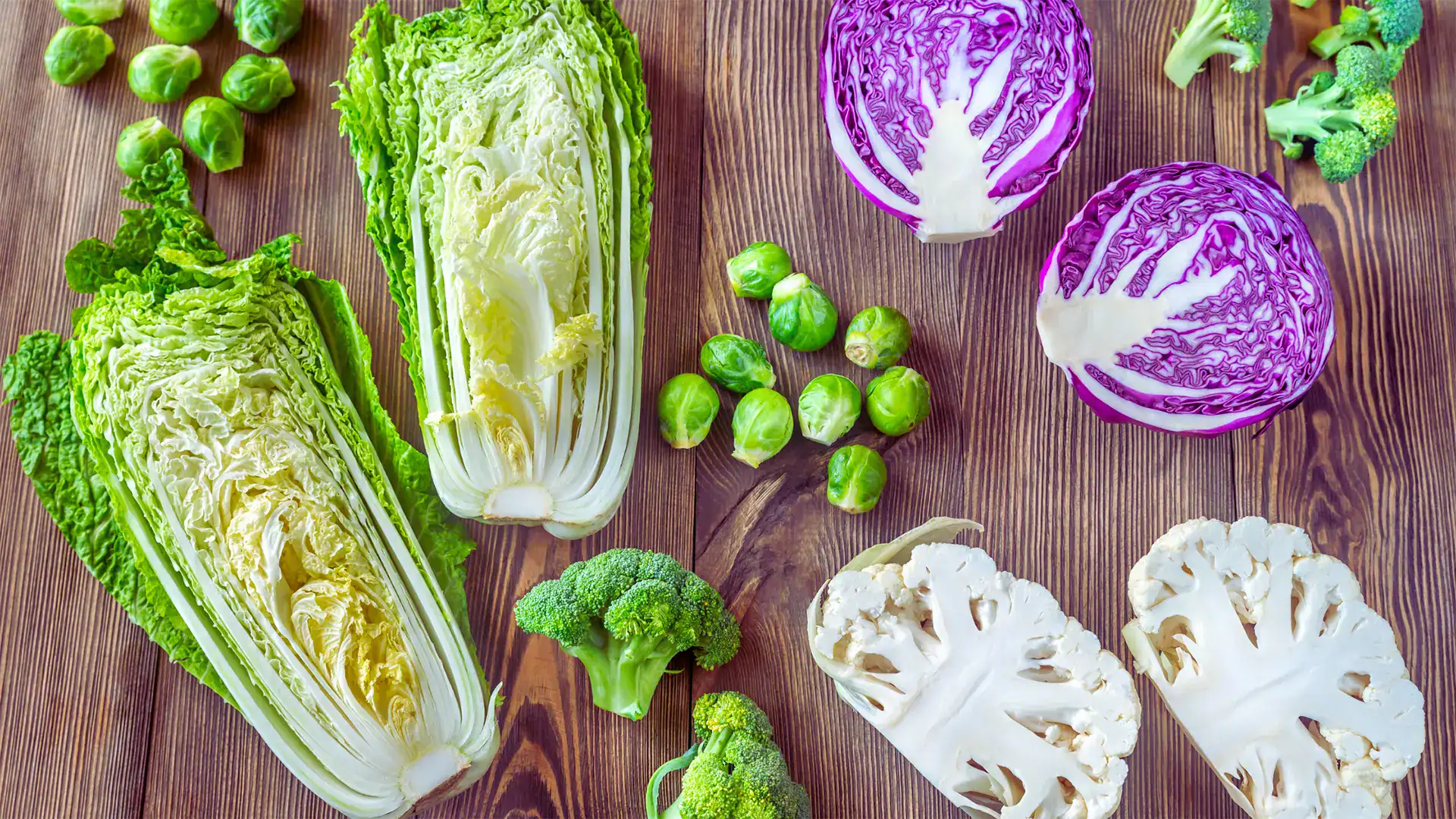
Cruciferous vegetables belong to the Brassicaceae family and include broccoli, kale, cabbage, cauliflower, Brussels sprouts, arugula, bok choy, radish, turnips, and watercress. They are nutritionally dense across the board, but what makes them particularly interesting from a research standpoint is their sulfur-containing compounds called glucosinolates.

When you chew, chop, or blend a cruciferous vegetable, an enzyme called myrosinase is released and converts glucosinolates into bioactive compounds — including sulforaphane, indole-3-carbinol (I3C), and diindolylmethane (DIM). Research suggests these compounds play a role in supporting the body’s natural detoxification pathways and healthy hormone metabolism.


The Thyroid Question: What Does the Research Say?

The concern around cruciferous vegetables and thyroid function centers on goitrogens — specifically goitrins and thiocyanates — compounds formed from glucosinolates that may compete with iodine for uptake by the thyroid gland. In theory, reduced iodine uptake could affect thyroid hormone production.

However, research consistently points to several important contextual factors.

The iodine deficiency connection. Early studies from the 1920s through the 1950s that flagged goitrogenic foods were conducted in populations that were already iodine deficient. This context is rarely mentioned when the concern gets passed along in popular wellness content. Current research suggests that adequate iodine intake significantly mitigates the goitrogenic potential of normal dietary cruciferous vegetable consumption.

Dose matters considerably. The most frequently cited case report in the literature involves a woman hospitalized with severe hypothyroidism after consuming approximately 1 to 1.5 kilograms of raw bok choy every single day for several months. That is well beyond any realistic everyday eating pattern.

A 2024 systematic review published in the International Journal of Molecular Sciences evaluated the cumulative evidence and concluded that moderate consumption of cruciferous vegetables is safe for most people with adequate iodine intake, and that amounts sufficient to cause thyroid harm are far beyond typical dietary intake.

For individuals with Hashimoto’s thyroiditis, some emerging research suggests that the anti-inflammatory and immune-modulatory compounds in cruciferous vegetables may actually be supportive rather than harmful. That said, this is an area where individualized guidance from your healthcare provider matters, as responses can vary.

If you have a diagnosed thyroid condition or are on thyroid medication, speak with your provider before making significant changes to your diet.


Where Cruciferous Vegetables Show the Most Research Support: Liver Detoxification

This is where the science is most robust and consistently positive.

Your liver processes and neutralizes substances through two main phases. Phase 1 converts potentially harmful compounds — including hormones, environmental chemicals, and metabolic waste — into intermediate forms. Phase 2 then transforms those intermediates into water-soluble compounds that can be excreted through bile, urine, and stool.

Research suggests that compounds derived from cruciferous vegetables may support both phases of this process.

Sulforaphane is formed when raw or freshly chopped cruciferous vegetables are consumed. Studies suggest it is one of the most potent naturally occurring inducers of Phase 2 detoxification enzymes identified to date. It activates the Nrf2 pathway, which upregulates protective enzymes including glutathione S-transferase. A 2023 review published in Frontiers in Pharmacology documented preclinical and clinical evidence for sulforaphane’s potential protective effects across several liver conditions, including metabolic fatty liver disease and liver injury.

DIM (diindolylmethane) forms from I3C when cruciferous vegetables are digested. Research suggests DIM may support Phase 1 liver detoxification and influence estrogen metabolism — specifically by supporting the conversion of estradiol toward the 2-hydroxyestrone (2-OHE1) pathway rather than the 16-alpha-hydroxyestrone (16a-OHE1) pathway. A small clinical trial with postmenopausal women found that four weeks of increased cruciferous vegetable intake was associated with improved urinary 2-OHE1:16a-OHE1 ratios.

Calcium D-glucarate, while not a compound found in cruciferous vegetables themselves, works synergistically with DIM and sulforaphane by supporting the glucuronidation pathway — a key Phase 2 route for estrogen clearance. It is commonly used alongside crucifer-derived compounds in research on hormone metabolism support.

This information is educational. It is not intended to suggest that any food or supplement can treat, prevent, or cure any health condition.


Raw vs. Cooked: How Preparation Affects the Compounds

The benefits you get from cruciferous vegetables depend significantly on how you prepare them — and the best preparation depends on your individual health goals.

Raw or freshly chopped keeps myrosinase fully active, which research suggests maximizes sulforaphane production. A freshly chopped kale salad or raw coleslaw may deliver more active sulforaphane than its cooked equivalent.

Lightly steamed (3 to 4 minutes) is supported by University of Illinois research as a middle-ground preparation. Brief steaming appears to activate but not fully destroy myrosinase, while reducing goitrogenic activity by roughly 30 percent. This may be a good option for those with digestive sensitivity to raw vegetables.

Boiled reduces goitrogen content by 65 to 90 percent depending on whether the cooking water is discarded. However, glucosinolates leach heavily into the water and myrosinase is largely inactivated, which may reduce the liver-supportive compounds available.

Fermented cruciferous vegetables such as kimchi and sauerkraut provide the added benefit of probiotic organisms alongside glucosinolate compounds. The fermentation process may partially substitute for myrosinase activity.


The Broccoli Sprout Advantage

Broccoli sprouts are one of the most concentrated whole-food sources of glucoraphanin — the precursor to sulforaphane — available. Research indicates they contain up to ten times the glucoraphanin content of mature broccoli florets, meaning a small serving may deliver a significantly higher concentration of the active precursor.

Fresh broccoli sprouts are inexpensive to grow at home in a mason jar in five to seven days, making them one of the most accessible high-concentration functional foods available.


When People Consider Supplementation

Some people find it difficult to consistently consume raw cruciferous vegetables due to digestive sensitivity, taste preferences, travel, or convenience. In those situations, concentrated supplements derived from cruciferous vegetables are commonly used.

A few notes on what the research suggests about supplement forms:

Sulforaphane supplements vary widely in quality and bioavailability. Look for products that are standardized for glucoraphanin content and include myrosinase activity, or that use a stabilized sulforaphane form. SulforaClear by Metagenics is one product available through my dispensary that uses a standardized broccoli seed extract.

DIM supplements in standard capsule form have documented bioavailability challenges due to the compound’s lipophilic nature. Liposomal or nanoemulsified delivery systems have been studied as a way to improve absorption. Quicksilver Scientific’s Nanoemulsified DIM uses a phospholipid delivery system for this purpose and is available through my dispensary.

For broader liver pathway support, Quicksilver’s Dr. Shade’s Liver Sauce combines DIM with quercetin, alpha-lipoic acid, milk thistle, and dandelion root. Ultra Binder Capsules (also Quicksilver) are commonly paired with liver support formulas to assist with toxin binding and excretion. Liposomal Glutathione supports Phase 2 detox as a master antioxidant. Calcium D-Glucarate by XYMOGEN is a commonly used companion supplement for estrogen glucuronidation support.

These products are mentioned for educational purposes. They are not intended to diagnose, treat, cure, or prevent any disease. Supplement needs vary by individual. Work with a licensed provider to determine what is appropriate for your specific health picture.

Browse the Liver & Hormone Detox Support protocol in my Fullscript dispensary: 👉 Shop Liver & Hormone Detox Support

All products are practitioner-curated, third-party tested, and discounted for patients in my dispensary.


Who May Want to Take a More Cautious Approach

Even though the overall research on cruciferous vegetables is reassuring for most healthy adults, certain situations call for more individualized consideration:

Confirmed iodine deficiency — Iodine status is worth addressing first. Once repleted, normal cruciferous vegetable intake is generally well tolerated according to current research.

Diagnosed hypothyroidism, particularly with medication — Some practitioners suggest favoring lightly cooked preparations for consistency, not because normal servings are dangerous, but because dietary consistency can support stable medication management. This is a conversation to have with your prescribing provider.

First trimester of pregnancy — Thyroid hormone needs are elevated in early pregnancy. High-dose supplemental I3C or DIM is not recommended during pregnancy. Whole food sources in normal dietary amounts are generally considered safe, but consult your provider.

Active digestive inflammation — Raw cruciferous vegetables are high in fiber and sulfur and can be irritating for some people with active inflammatory bowel conditions or significant bacterial overgrowth. Lightly cooked preparations and gradual reintroduction may be more appropriate.


General Dietary Starting Points

The following are general wellness considerations, not personalized medical recommendations:

For general daily variety: Including one to two servings of cruciferous vegetables daily from a range of types (broccoli, kale, cabbage, arugula, cauliflower) supports dietary diversity and broad nutrient intake.

For those interested in liver and hormone support through food: Adding fresh broccoli sprouts to meals is one of the most concentrated whole-food sources of sulforaphane precursors. Raw or lightly steamed preparations may better preserve the active enzyme activity.

For those considering a more structured approach: Working with a naturopathic or functional medicine provider to assess your specific labs, hormone patterns, and detox pathways can help guide whether dietary changes alone are sufficient or whether additional support makes sense for your situation.


Detox Slaw with Broccoli Sprouts

A simple recipe featuring cruciferous vegetables in raw and lightly prepared forms.

Serves 4 | Prep time: 15 minutes

Ingredients:

  • 2 cups shredded green cabbage
  • 1 cup shredded purple cabbage
  • 1 cup shredded kale, stems removed and finely sliced
  • 1/2 cup fresh broccoli sprouts, added at the end
  • 1 medium carrot, shredded
  • 2 tablespoons raw apple cider vinegar
  • 1 tablespoon extra virgin olive oil
  • 1 teaspoon raw honey or a few drops of liquid stevia
  • 1 teaspoon Dijon mustard
  • 1/2 teaspoon sea salt
  • Juice of 1 lemon
  • 1 tablespoon toasted sesame seeds (optional)

Instructions:

  1. Shred or finely slice the green cabbage, purple cabbage, and kale and place in a large mixing bowl. Chopping and massaging the leaves begins the enzymatic process that activates sulforaphane precursors.
  2. Add the shredded carrot and toss to combine.
  3. In a small jar, whisk together the apple cider vinegar, olive oil, honey or stevia, Dijon mustard, sea salt, and lemon juice until emulsified.
  4. Pour the dressing over the slaw and massage gently with your hands for one to two minutes. Let sit for at least five minutes before serving.
  5. Add the fresh broccoli sprouts immediately before serving to preserve their active compounds.
  6. Finish with sesame seeds if using.

Recipe note: This slaw features a variety of raw Brassica vegetables alongside fresh broccoli sprouts. Serve as a side dish, a base for grain bowls, or paired with wild salmon or pastured chicken for a complete meal. The broccoli sprouts are added raw and at the end to preserve their glucoraphanin content.


Want to Explore a Root-Cause Approach?

Food is foundational, but it is rarely the whole picture. If you are navigating hormone imbalances, sluggish detox pathways, thyroid concerns, or chronic fatigue, understanding what is driving your symptoms at a root-cause level can change the conversation entirely.

At Purist Natural Medicine, I take a whole-person approach to health — using functional lab testing, naturopathic therapies, and individualized protocols to help patients understand what their body actually needs.

Book a discovery call: 👉 Schedule with Dr. Perrine

Browse practitioner-grade supplements: 👉 Liver & Hormone Detox Support Protocol

Weekly education on Instagram: @purist_natural_medicine


Dr. Kendall Perrine is a California-licensed Naturopathic Doctor and founder of Purist Natural Medicine, with clinic locations in Dana Point (Orange County) and Arroyo Grande (San Luis Obispo), and global virtual health coaching. She specializes in regenerative injection therapies, classical homeopathy, natural aesthetics, and root-cause functional medicine.

This content is for general educational purposes only. It does not constitute medical advice, diagnosis, or treatment, and should not replace consultation with a qualified healthcare provider. Individual health needs vary. Statements about supplements have not been evaluated by the FDA and are not intended to diagnose, treat, cure, or prevent any disease.
Posted on

“Quinton Water: The Definitive Solution for Cellular Rejuvenation”

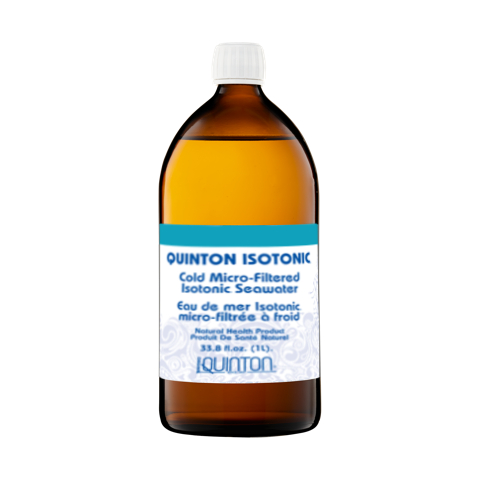
Quinton Isotonic

In the realm of hydration, Quinton Water stands out for its unique approach to addressing a fundamental health concern: cellular rejuvenation. Let’s dive into how Quinton Water replenishes essential minerals and revitalizes cellular function, offering a straightforward solution to common health problems.

Many health issues stem from cellular imbalance, influenced by factors like stress, poor diet, and environmental toxins. These disruptions can lead to fatigue, inflammation, and a host of other health problems.

Quinton Water offers a simple yet powerful remedy. Derived from seawater and spring water, it contains over 78 bioavailable minerals and trace elements crucial for cellular metabolism.

By replenishing these minerals, Quinton Water restores cellular balance and vitality. Magnesium, calcium, potassium, and other trace elements act as cofactors for enzymatic processes, ensuring optimal cellular function.

For those grappling with chronic fatigue, inflammation, or immune issues, Quinton Water provides tangible relief. Its mineral-rich composition supports energy production, reduces oxidative stress, and enhances immune resilience.

Additionally, it’s alkaline pH counteracts acidity in the body, mitigating inflammation and fostering an internal environment conducive to healing.

The effectiveness of Quinton Water isn’t just hearsay. Clinical studies demonstrate its therapeutic potential across various health conditions. Patients with inflammatory bowel disease experienced notable symptom improvements and reduced inflammatory markers after incorporating Quinton Water into their treatment plans. Athletes using this water reported faster recovery times and reduced muscle soreness, highlighting its benefits for physical performance and recovery.

Top uses:

  1. Hydration Excellence: Quinton Water’s pure blend of seawater and spring water makes it an exceptional hydration source, providing the body with essential minerals and trace elements for optimal hydration and electrolyte balance.
  2. Cellular Rejuvenation: Replenishing over 78 bioavailable minerals and trace elements, it supports cellular metabolism, promoting cellular rejuvenation and vitality from within.
  3. Immune Support: The mineral-rich composition of Quinton Water strengthens immune resilience by providing nutrients crucial for immune function, helping the body ward off infections and maintain overall health.
  4. Recovery Aid: Athletes and fitness enthusiasts can benefit from the Water’s ability to expedite recovery times and reduce muscle soreness, thanks to its supportive role in tissue repair and regeneration.
  5. Anti-Inflammatory Action: Quinton Water’s alkaline pH and mineral content help counteract acidity and inflammation in the body, offering relief for inflammatory conditions and promoting a balanced internal environment.
  6. Digestive Health: Quinton Water has been shown to alleviate symptoms of inflammatory bowel disease and support digestive wellness, making it a valuable addition to holistic gastrointestinal care regimens.
  7. Detoxification Support: The minerals present in Quinton Water aid in the removal of toxins and heavy metals from the body, supporting natural detoxification processes and enhancing overall well-being.
  8. Skin Health: Quinton Water’s mineral-rich formula nourishes the skin from within, promoting hydration, elasticity, and a healthy complexion, making it a skincare staple for radiant, glowing skin.
  9. Cognitive Function: Studies suggest that Quinton Water may support cognitive function and mental clarity, potentially enhancing focus, memory, and overall brain health.
  10. General Wellness: Incorporating Quinton Water into your daily routine promotes overall wellness by supplying the body with essential nutrients it needs to thrive, fostering vitality and resilience against everyday stressors.

From hydration to cellular rejuvenation, immune support to detoxification, Quinton Water offers a myriad of health benefits that make it a versatile tool for optimizing health and wellness. Incorporate it into your lifestyle and unlock its transformative potential for a healthier, more vibrant you.

In a landscape crowded with health solutions, Quinton Water shines as a no-nonsense remedy for cellular rejuvenation. By replenishing essential minerals and supporting optimal cellular function, it offers a straightforward approach to common health challenges. Whether combating fatigue, inflammation, or immune dysfunction, this water empowers individuals to revitalize their health with clarity and efficacy. Embrace the straightforward power of cellular rejuvenation with Quinton Water and embark on a journey to renewed vitality and well-being.

Posted on

Breast Implant Illness

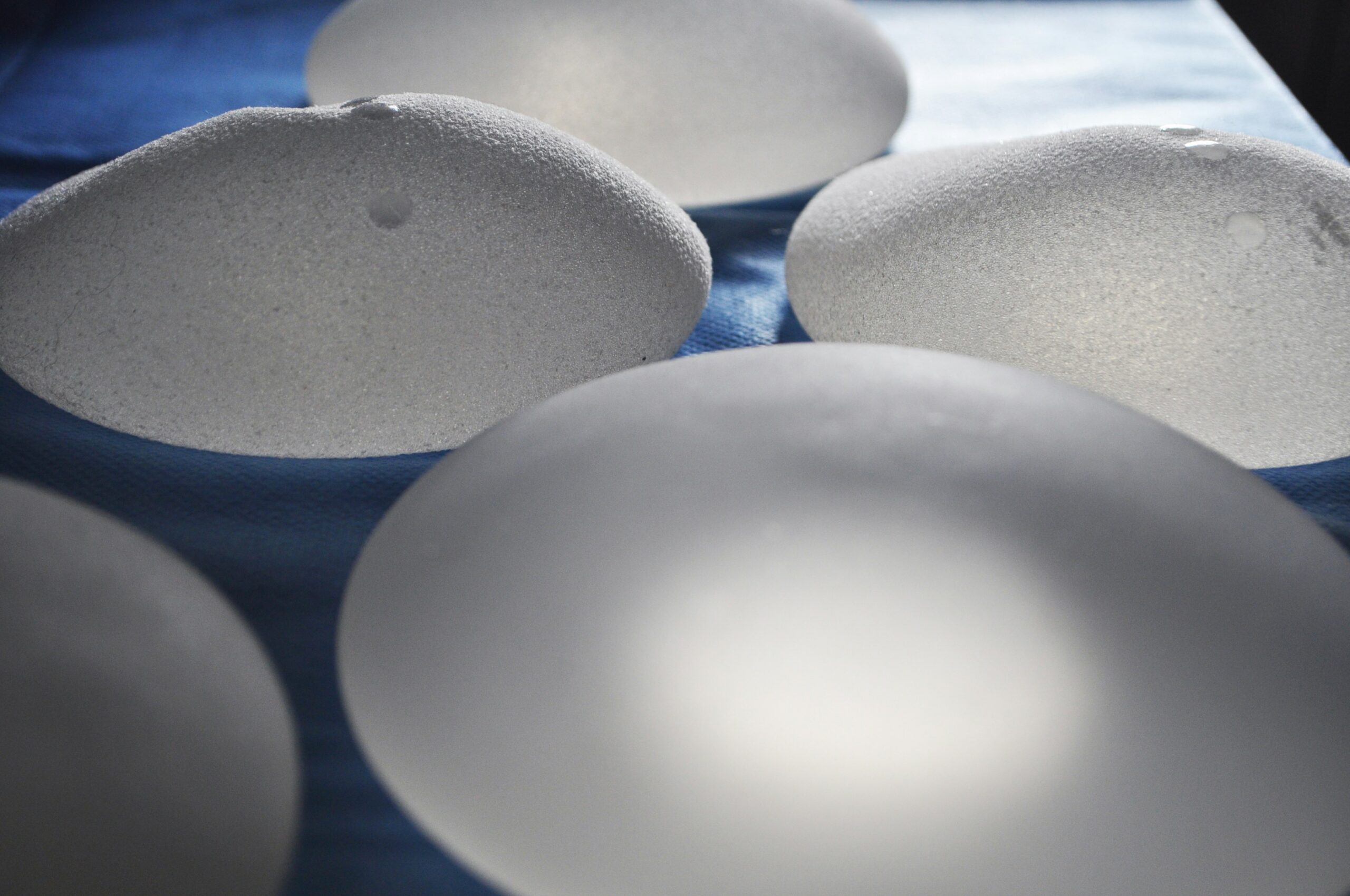
Breast Implant

Breast implant illness (BII) is a term used to describe a range of symptoms that some individuals with breast implants report experiencing. These symptoms can vary widely among individuals and may include:

Common Symptoms of Breast Implant Illness

Fatigue: Persistent feelings of tiredness or lack of energy that interfere with daily activities.

Joint and muscle pain: Aches, soreness, or stiffness in the joints and muscles, which may be widespread or localized.

Cognitive issues: Difficulty concentrating, memory problems, brain fog, or cognitive impairment.

Autoimmune-like symptoms: Symptoms resembling those of autoimmune diseases, such as joint swelling, rashes, or flu-like symptoms.

Breast symptoms: Pain, swelling, or changes in the appearance or feel of the breasts or implant area.

Gastrointestinal issues: Digestive problems such as bloating, gas, diarrhea, constipation, or abdominal discomfort.

Allergic reactions: Skin rashes, itching, hives, or other allergic-type reactions.

Sleep disturbances: Difficulty falling asleep, staying asleep, or experiencing restful sleep.

Mood changes: Mood swings, anxiety, depression, irritability, or emotional instability.

Hormonal imbalances: Irregular menstrual cycles, changes in libido, or other hormonal disruptions.

Hair loss: Thinning hair, hair shedding, or changes in hair texture.

Swollen lymph nodes: Enlarged or tender lymph nodes, particularly in the armpit area.

It’s important to note that not everyone with breast implants will experience these symptoms, and the presence of these symptoms does not necessarily indicate breast implant illness. Additionally, these symptoms can overlap with those of other medical conditions, so it’s essential to consult with a healthcare provider for a proper evaluation and diagnosis.

If someone suspects they may be experiencing symptoms related to breast implant illness, they should seek medical advice from a healthcare provider experienced in dealing with breast implant complications and related issues. This may involve a thorough medical evaluation, including a review of symptoms, medical history, and possibly diagnostic testing to determine the underlying cause and appropriate treatment plan.

Roadmap to Overcoming Breast Implant Illness Program

This transformative self-paced guide is designed specifically for women who are ready to get back to adventuring and live their best life.  Chronic pain, foggy headedness, fatigue. vertigo, gas, bloating, food allergies, heavy or missed periods, infertility, problems with regulating body weight should not be impacting your life. This comprehensive roadmap helps you reclaim your health. With step-by-step instructions and proven strategies, this guide will empower you to heal, feel vibrant, and restore balance to your body. You will gain a deep understanding of breast implant illness, discover actionable steps to alleviate symptoms, and learn how to support your body’s natural healing processes.

Unlike what you may have tried before; pharmaceutical medications, unregulated “detoxes” or misdiagnosis from health professionals unfamiliar with breast implant illness, this guide focuses on sustainable, holistic solutions that go beyond temporary relief. We provide practical tools, ensuring you not only recover but thrive. As you progress, you will feel renewed, energized, and more connected to your body than ever before.

Take the first step on your journey to overcoming breast implant illness symptoms and experience the lasting transformation that comes with this guide, supported by the option to work with us 1:1 for tailored guidance along the way.

Diagnosis, treatment, and recovery from breast implant illness (BII) within the realm of naturopathic medicine often involve a holistic approach that considers the individual’s overall health, lifestyle, and environmental factors. Here’s a general outline of how these aspects might be addressed:

Breast Implant

Workup:

    • Naturopathic doctors (NDs) typically conduct a comprehensive evaluation of the patient’s medical history, symptoms, and lifestyle factors.
    • This may include specialized testing to assess for potential underlying imbalances or sensitivities that could contribute to symptoms, such as comprehensive blood tests, hormonal assessments, and functional medicine tests to evaluate immune function, inflammation, and detoxification pathways.
    • Imaging studies or consultations with other healthcare providers may also be recommended to assess the condition of the breast implants and rule out other potential causes of symptoms.

Treatment:

      • Naturopathic treatment for Breast Implant Illness often focuses on supporting the body’s natural healing mechanisms and addressing underlying imbalances.
      • This may involve dietary and lifestyle interventions aimed at reducing inflammation, supporting detoxification pathways, and promoting overall health and well-being.
      • Specific treatments may vary depending on individual needs but could include nutritional supplementation, herbal medicine, acupuncture, mind-body techniques, and other naturopathic modalities.
      • For some individuals, removal of breast implants (explantation) may be recommended as part of the treatment plan. Naturopathic doctors may work collaboratively with surgeons to support patients through the explantation process and facilitate recovery.

Recovery:

        • Recovery from BII can vary depending on factors such as the severity of symptoms, individual health status, and treatment approach.
        • Naturopathic care during the recovery process may focus on supporting the body’s healing response, managing symptoms, and optimizing overall health and vitality.
        • This may involve ongoing monitoring, adjustments to treatment protocols as needed, and guidance on lifestyle factors such as nutrition, stress management, sleep hygiene, and physical activity.
        • Patients may also be encouraged to participate in supportive therapies or community resources to aid in emotional healing and adjustment during the recovery period.

It’s important to note that the effectiveness of naturopathic approaches for BII may vary among individuals, and treatment plans should be tailored to each person’s unique needs and preferences. Additionally, collaboration with other healthcare providers, such as surgeons or other specialists, may be necessary to ensure comprehensive care and the best possible outcomes.

Scar Therapy may be helpful to reduce pain, adhesions and prevent deformity after explant surgery.

Breast

Posted on

Oral and Gut Health

Oral Health

Holistic dental health goes beyond just taking care of our teeth and gums; it encompasses the connection between oral health and gut health. Research has shown that there is a strong link between the two, highlighting the importance of maintaining both for overall well-being.

Oral health plays a crucial role in our overall health. Neglecting it can lead to various dental issues such as cavities, gum disease, and tooth loss. However, what many people don’t realize is that poor oral health can also have an impact on our gut health.

The mouth serves as the gateway to our digestive system. The bacteria present in our mouths can travel down into the gut through swallowing, influencing the balance of bacteria in our digestive tract. This is true for pathogens in the sinuses as well for individuals with chronic post-nasal drip. This imbalance can contribute to digestive problems and even systemic diseases.

In the pursuit of optimal oral health, it is essential to consider a holistic approach that goes beyond just brushing and flossing.  Incorporating additional practices such as using a waterpik, tongue scraping, oil pulling and gargling can greatly enhance your oral hygiene routine.

Oil pulling, a traditional Ayurvedic technique that involves swishing oil in the mouth to improve oral hygiene. Oil pulling has been found to have numerous benefits for dental health. It helps remove harmful bacteria from the mouth, promoting a healthier oral microbiome. By swishing oil around the teeth and gums, it can help reduce plaque buildup and prevent cavities.

Waterpik, also known as a water flosser, is an effective tool that uses a stream of water to remove plaque and debris from between your teeth and along the gumline. It reaches areas that traditional flossing may miss, providing a thorough clean and reducing the risk of gum disease.

Tongue scraping is another important practice for holistic dental health. The tongue harbors bacteria that can contribute to bad breath and oral health issues. By gently scraping your tongue with a tongue scraper, you can effectively remove bacteria buildup and improve overall oral hygiene.

Gargling with saltwater solution is yet another beneficial habit. This helps to reduce bacteria growth in the mouth, reduces inflammation, freshens breath, and promotes healthy gums.

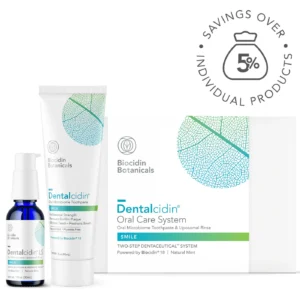
Dentalcidin Oral Care

To further enhance holistic dental health, products like Dentalcidin have emerged as effective tools. Dentalcidin is a natural antimicrobial solution specifically designed to support oral health. It contains botanical extracts that target harmful microbes while maintaining a healthy balance of beneficial bacteria in the mouth.

By incorporating oil pulling and products like Dentalcidin into your oral care routine, you can take proactive steps towards achieving optimal dental health. Embracing this holistic approach not only promotes a clean and healthy mouth but also contributes to overall well-being.

In addition to incorporating holistic dental practices as mentioned in this article, adopting a balanced diet rich in whole foods like fruits, vegetables, lean proteins, and probiotics can help support a healthy gut microbiome while providing essential nutrients for optimal oral health.

By recognizing the connection between oral health and gut health, we can take a more comprehensive approach to dental care. Prioritizing both aspects will not only result in healthier teeth and gums but also contribute to overall wellness from within.

Posted on

Athletes and Gut Health

Surfer Athlete

Understanding the connection between athletes and gut health is crucial for optimizing their performance and recovery. Stool testing has emerged as a valuable tool in this field, providing valuable insights into an athlete’s digestive system and overall well-being.

Athletes rely on their bodies to perform at peak levels, and a healthy gut plays a significant role in achieving optimal performance. The gut not only aids in the digestion and absorption of nutrients but also influences immune function, inflammation levels, and even mood.

Stool testing along with Micronutrient Testing allows athletes to identify any imbalances or issues within their gut microbiome. By analyzing the composition of bacteria, parasites, yeast, and other microorganisms present in the stool sample, athletes can gain valuable information about their digestive health.

Addressing any imbalances or dysfunctions found through stool testing and micronutrient testing can lead to improved recovery times, enhanced nutrient absorption, reduced inflammation, and ultimately better athletic performance. Athletes who prioritize their gut health may experience:

Increased energy levels

Optimal recovery time

Reduced gastrointestinal distress during exercise

Improved overall well-being

In conclusion, incorporating stool testing and micronutrient testing into an athlete’s routine can provide valuable insights into their gut health. By addressing any imbalances or issues identified through this process, athletes can optimize their recovery process and enhance their performance on the field or court. Prioritizing gut health is not only beneficial for athletes but for anyone seeking to achieve optimal physical well-being.

Medical Disclaimer: Information provided in this blog is for informational purposes only. However, this information is NOT intended as a substitute for the advice provided by your physician or other healthcare professional, or any information contained on or in any product. Do not use the information provided in this blog for diagnosing or treating a health problem or disease, or prescribing medication or other treatment. Always speak with your physician or other healthcare professional before taking any medication or nutritional, herbal or other supplement, or using any treatment for a health problem. If you have or suspect that you have a medical problem, contact your health care provider promptly. Do not disregard professional medical advice or delay in seeking professional advice because of something you have read in this blog post. These statements have not been evaluated by the Food and Drug Administration. This product is not intended to diagnose, treat, cure, or prevent any disease.