Posted on

Breast Implant Illness

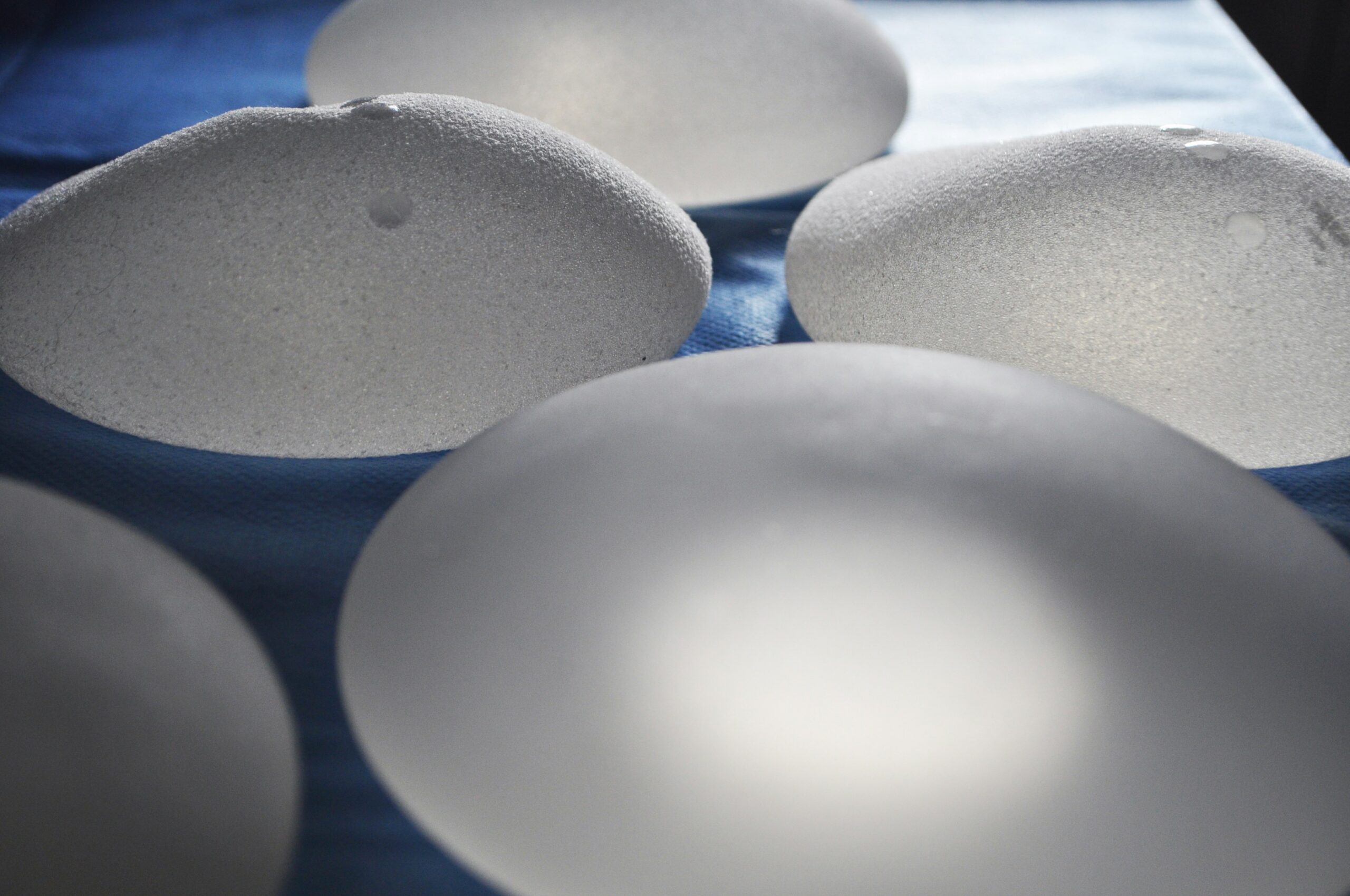
Breast Implant

Breast implant illness (BII) is a term used to describe a range of symptoms that some individuals with breast implants report experiencing. These symptoms can vary widely among individuals and may include:

Common Symptoms of Breast Implant Illness

Fatigue: Persistent feelings of tiredness or lack of energy that interfere with daily activities.

Joint and muscle pain: Aches, soreness, or stiffness in the joints and muscles, which may be widespread or localized.

Cognitive issues: Difficulty concentrating, memory problems, brain fog, or cognitive impairment.

Autoimmune-like symptoms: Symptoms resembling those of autoimmune diseases, such as joint swelling, rashes, or flu-like symptoms.

Breast symptoms: Pain, swelling, or changes in the appearance or feel of the breasts or implant area.

Gastrointestinal issues: Digestive problems such as bloating, gas, diarrhea, constipation, or abdominal discomfort.

Allergic reactions: Skin rashes, itching, hives, or other allergic-type reactions.

Sleep disturbances: Difficulty falling asleep, staying asleep, or experiencing restful sleep.

Mood changes: Mood swings, anxiety, depression, irritability, or emotional instability.

Hormonal imbalances: Irregular menstrual cycles, changes in libido, or other hormonal disruptions.

Hair loss: Thinning hair, hair shedding, or changes in hair texture.

Swollen lymph nodes: Enlarged or tender lymph nodes, particularly in the armpit area.

It’s important to note that not everyone with breast implants will experience these symptoms, and the presence of these symptoms does not necessarily indicate breast implant illness. Additionally, these symptoms can overlap with those of other medical conditions, so it’s essential to consult with a healthcare provider for a proper evaluation and diagnosis.

If someone suspects they may be experiencing symptoms related to breast implant illness, they should seek medical advice from a healthcare provider experienced in dealing with breast implant complications and related issues. This may involve a thorough medical evaluation, including a review of symptoms, medical history, and possibly diagnostic testing to determine the underlying cause and appropriate treatment plan.

Roadmap to Overcoming Breast Implant Illness Program

This transformative self-paced guide is designed specifically for women who are ready to get back to adventuring and live their best life.  Chronic pain, foggy headedness, fatigue. vertigo, gas, bloating, food allergies, heavy or missed periods, infertility, problems with regulating body weight should not be impacting your life. This comprehensive roadmap helps you reclaim your health. With step-by-step instructions and proven strategies, this guide will empower you to heal, feel vibrant, and restore balance to your body. You will gain a deep understanding of breast implant illness, discover actionable steps to alleviate symptoms, and learn how to support your body’s natural healing processes.

Unlike what you may have tried before; pharmaceutical medications, unregulated “detoxes” or misdiagnosis from health professionals unfamiliar with breast implant illness, this guide focuses on sustainable, holistic solutions that go beyond temporary relief. We provide practical tools, ensuring you not only recover but thrive. As you progress, you will feel renewed, energized, and more connected to your body than ever before.

Take the first step on your journey to overcoming breast implant illness symptoms and experience the lasting transformation that comes with this guide, supported by the option to work with us 1:1 for tailored guidance along the way.

Diagnosis, treatment, and recovery from breast implant illness (BII) within the realm of naturopathic medicine often involve a holistic approach that considers the individual’s overall health, lifestyle, and environmental factors. Here’s a general outline of how these aspects might be addressed:

Breast Implant

Workup:

    • Naturopathic doctors (NDs) typically conduct a comprehensive evaluation of the patient’s medical history, symptoms, and lifestyle factors.
    • This may include specialized testing to assess for potential underlying imbalances or sensitivities that could contribute to symptoms, such as comprehensive blood tests, hormonal assessments, and functional medicine tests to evaluate immune function, inflammation, and detoxification pathways.
    • Imaging studies or consultations with other healthcare providers may also be recommended to assess the condition of the breast implants and rule out other potential causes of symptoms.

Treatment:

      • Naturopathic treatment for Breast Implant Illness often focuses on supporting the body’s natural healing mechanisms and addressing underlying imbalances.
      • This may involve dietary and lifestyle interventions aimed at reducing inflammation, supporting detoxification pathways, and promoting overall health and well-being.
      • Specific treatments may vary depending on individual needs but could include nutritional supplementation, herbal medicine, acupuncture, mind-body techniques, and other naturopathic modalities.
      • For some individuals, removal of breast implants (explantation) may be recommended as part of the treatment plan. Naturopathic doctors may work collaboratively with surgeons to support patients through the explantation process and facilitate recovery.

Recovery:

        • Recovery from BII can vary depending on factors such as the severity of symptoms, individual health status, and treatment approach.
        • Naturopathic care during the recovery process may focus on supporting the body’s healing response, managing symptoms, and optimizing overall health and vitality.
        • This may involve ongoing monitoring, adjustments to treatment protocols as needed, and guidance on lifestyle factors such as nutrition, stress management, sleep hygiene, and physical activity.
        • Patients may also be encouraged to participate in supportive therapies or community resources to aid in emotional healing and adjustment during the recovery period.

It’s important to note that the effectiveness of naturopathic approaches for BII may vary among individuals, and treatment plans should be tailored to each person’s unique needs and preferences. Additionally, collaboration with other healthcare providers, such as surgeons or other specialists, may be necessary to ensure comprehensive care and the best possible outcomes.

Scar Therapy may be helpful to reduce pain, adhesions and prevent deformity after explant surgery.


Breast

Posted on

A Protocol for Vaccine Injury/Recovery and COVID “Long-Haulers”

Updated from FLCCC. Frontline COVID19 Critical Care Alliance. Download I-RECOVER summary here and the full protocol here

“FLCCC’s goal is to educate healthcare providers and empower patients with the tools and resources they need to take control of their own health.”

This document was created to provide medical-grade sourcing and ease of ordering for supplements and devices recommended in the ”I-Recover” per the FLCCC protocols.

First-Line Therapies

  • Intermittent daily fasting or periodic daily fasts.
  • Moderating physical activity.
  • Sunlight and Photobiomodulation. (Use code PURIST for 10% off).
  • Ivermectin; 0.2-0.3 mg/kg daily. (Requires a prescription)
  • Low-dose naltrexone (LDN); 1- 4.5 mg daily. (Requires a prescription)
  • Nattokinase 100-200 mg (2000- 4000 Fibrinolytic Units) twice daily. 
  • Melatonin; 2-6 mg slow release/extended release prior to bedtime
  • Magnesium; 100-400 mg daily
  • Resveratrol; 400-500 mg daily
  • Probiotics/prebiotics
  • Methylene blue; 10-30 mg daily

Second-Line/Adjunctive Therapies 

(Listed in order of importance) 

  • Vitamin D (4000-5000 units/day) and Vitamin K2 (100 mcg/day)
  • Omega-3 fatty acids; we suggest a combination of EPA/DHA with an initial dose of 1 g/day (combined EPA and DHA) and increasing up to 4 g/day (of the active omega-3 fatty acids)
  • N-acetyl cysteine (NAC); 600-1500 mg/day
  • Cardio Miracle™ and L-arginine/L-citrulline supplements 
  • Nigella sativa; 200-500 mg encapsulated oil twice daily
  • Sildenafil with or without L-arginineL-Citrulline. (Sildenafil requires a prescription).
  • Bromelain 500 mg twice daily +/- N Acetyl cysteine (NAC)
  • Vitamin C; 1000 mg orally two to three times a day
  • Spermidine; 1000-2000 mg (wheat germ extract) daily
  • Non-invasive brain stimulation (NIBS) 
  • Intravenous Vitamin C; 25 g weekly, together with oral Vitamin C 1000 mg (1 gram) 2-3 times per day 
  • Behavioral modification, relaxation therapy, mindfulness therapy, and psychological support

Complete Supplement List of First & Second Line Supplements

Third Line Therapies

  • Hyperbaric oxygen therapy
  • Low Magnitude Mechanical Stimulation (LMMS or Whole-Body Vibration)
  • “Mitochondrial energy optimizer” Cardio Miracle™
  • Hydroxychloroquine (HCQ); 200 mg twice daily for 1-2 weeks, then reduce as tolerated to 200 mg/day. (Requires a prescription).
  • Low dose corticosteroid; 10- 15 mg/day prednisone for 3 weeks. Taper to 10 mg/day and then 5 mg/day, as tolerated. (Requires a prescription).

Disclaimer: This information is not intended to serve as a substitute for diagnosis, treatment, or advice from a qualified, licensed medical professional. The facts presented are offered as information — not medical advice. Any treatment protocol should be discussed with a trusted, licensed medical professional. Never stop or change medications without consulting your healthcare provider. Some embedded links are affiliate links for which Purist Natural Medicine may receive a profit.

Posted on

Oral and Gut Health

Oral Health

Holistic dental health goes beyond just taking care of our teeth and gums; it encompasses the connection between oral health and gut health. Research has shown that there is a strong link between the two, highlighting the importance of maintaining both for overall well-being.

Oral health plays a crucial role in our overall health. Neglecting it can lead to various dental issues such as cavities, gum disease, and tooth loss. However, what many people don’t realize is that poor oral health can also have an impact on our gut health.

The mouth serves as the gateway to our digestive system. The bacteria present in our mouths can travel down into the gut through swallowing, influencing the balance of bacteria in our digestive tract. This is true for pathogens in the sinuses as well for individuals with chronic post-nasal drip. This imbalance can contribute to digestive problems and even systemic diseases.

In the pursuit of optimal oral health, it is essential to consider a holistic approach that goes beyond just brushing and flossing.  Incorporating additional practices such as using a waterpik, tongue scraping, oil pulling and gargling can greatly enhance your oral hygiene routine.

Oil pulling, a traditional Ayurvedic technique that involves swishing oil in the mouth to improve oral hygiene. Oil pulling has been found to have numerous benefits for dental health. It helps remove harmful bacteria from the mouth, promoting a healthier oral microbiome. By swishing oil around the teeth and gums, it can help reduce plaque buildup and prevent cavities.

Waterpik, also known as a water flosser, is an effective tool that uses a stream of water to remove plaque and debris from between your teeth and along the gumline. It reaches areas that traditional flossing may miss, providing a thorough clean and reducing the risk of gum disease.

Tongue scraping is another important practice for holistic dental health. The tongue harbors bacteria that can contribute to bad breath and oral health issues. By gently scraping your tongue with a tongue scraper, you can effectively remove bacteria buildup and improve overall oral hygiene.

Gargling with saltwater solution is yet another beneficial habit. This helps to reduce bacteria growth in the mouth, reduces inflammation, freshens breath, and promotes healthy gums.

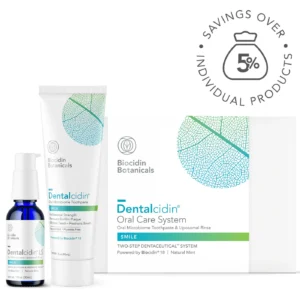
Dentalcidin Oral Care

To further enhance holistic dental health, products like Dentalcidin have emerged as effective tools. Dentalcidin is a natural antimicrobial solution specifically designed to support oral health. It contains botanical extracts that target harmful microbes while maintaining a healthy balance of beneficial bacteria in the mouth.

By incorporating oil pulling and products like Dentalcidin into your oral care routine, you can take proactive steps towards achieving optimal dental health. Embracing this holistic approach not only promotes a clean and healthy mouth but also contributes to overall well-being.

In addition to incorporating holistic dental practices as mentioned in this article, adopting a balanced diet rich in whole foods like fruits, vegetables, lean proteins, and probiotics can help support a healthy gut microbiome while providing essential nutrients for optimal oral health.

By recognizing the connection between oral health and gut health, we can take a more comprehensive approach to dental care. Prioritizing both aspects will not only result in healthier teeth and gums but also contribute to overall wellness from within.

Posted on

Athletes and Gut Health

Surfer Athlete

Understanding the connection between athletes and gut health is crucial for optimizing their performance and recovery. Stool testing has emerged as a valuable tool in this field, providing valuable insights into an athlete’s digestive system and overall well-being.

Athletes rely on their bodies to perform at peak levels, and a healthy gut plays a significant role in achieving optimal performance. The gut not only aids in the digestion and absorption of nutrients but also influences immune function, inflammation levels, and even mood.

Stool testing along with Micronutrient Testing allows athletes to identify any imbalances or issues within their gut microbiome. By analyzing the composition of bacteria, parasites, yeast, and other microorganisms present in the stool sample, athletes can gain valuable information about their digestive health.

Addressing any imbalances or dysfunctions found through stool testing and micronutrient testing can lead to improved recovery times, enhanced nutrient absorption, reduced inflammation, and ultimately better athletic performance. Athletes who prioritize their gut health may experience:

Increased energy levels

Optimal recovery time

Reduced gastrointestinal distress during exercise

Improved overall well-being

In conclusion, incorporating stool testing and micronutrient testing into an athlete’s routine can provide valuable insights into their gut health. By addressing any imbalances or issues identified through this process, athletes can optimize their recovery process and enhance their performance on the field or court. Prioritizing gut health is not only beneficial for athletes but for anyone seeking to achieve optimal physical well-being.

Medical Disclaimer: Information provided in this blog is for informational purposes only. However, this information is NOT intended as a substitute for the advice provided by your physician or other healthcare professional, or any information contained on or in any product. Do not use the information provided in this blog for diagnosing or treating a health problem or disease, or prescribing medication or other treatment. Always speak with your physician or other healthcare professional before taking any medication or nutritional, herbal or other supplement, or using any treatment for a health problem. If you have or suspect that you have a medical problem, contact your health care provider promptly. Do not disregard professional medical advice or delay in seeking professional advice because of something you have read in this blog post. These statements have not been evaluated by the Food and Drug Administration. This product is not intended to diagnose, treat, cure, or prevent any disease.